
Oligodendroglioma
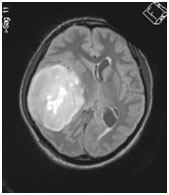
What are Oligodendrogliomas?
IDH Mutant Oligodendrogliomas are rare, slow-growing brain tumours that arise from oligodendrocytes, the cells that help form the protective covering (myelin) around nerve fibres in the brain. They are a type of glioma and most commonly occur in adults.
What are the Causes of Oligodendrogliomas?
The exact cause of oligodendroglioma is not fully understood. All oligodendrogliomas are associated with mutations in the IDH1 or IDH2 genes and a characteristic 1p/19q chromosomal codeletion, which help doctors confirm the diagnosis. In most cases, these genetic changes occur spontaneously and are not inherited. Exposure to high-dose radiation to the brain may slightly increase the risk, but no definite lifestyle or environmental causes have been proven.
What are the Signs and Symptoms of Oligodendrogliomas?
The signs and symptoms of oligodendroglioma depend on the tumour’s size, growth rate, and location in the brain. Seizures are one of the most common early symptoms. Patients may also experience persistent headaches, nausea, vomiting, memory problems, personality or behaviour changes, difficulty speaking, weakness or numbness on one side of the body, vision problems, or balance difficulties. Symptoms often develop gradually because many oligodendrogliomas grow slowly over time.
How are Oligodendrogliomas Diagnosed?
Oligodendroglioma is diagnosed using a combination of neurological evaluation, imaging tests, and laboratory analysis. Doctors usually begin with a physical and neurological examination to assess symptoms such as seizures, weakness, or speech problems. Imaging studies like MRI scans and sometimes CT scans help identify the tumour’s size, location, and characteristics. A biopsy or surgical removal of part of the tumour is then performed so the tissue can be examined under a microscope. Molecular testing is also important to detect features such as IDH mutations and 1p/19q codeletion, which help confirm the diagnosis and guide treatment planning.
How are Oligodendrogliomas Treated?
Treatment for oligodendrogliomas depends on the tumour’s size, location, grade, symptoms, and the patient’s overall health. The main treatment options include:
- Surgery: The first step is usually surgical removal of as much of the tumour as possible while preserving normal brain function. Surgery can help relieve symptoms and confirm the diagnosis.
- Radiation Therapy: High-energy radiation is used to destroy remaining tumour cells, especially if the tumour cannot be completely removed or is high-grade.
- Chemotherapy: Drugs such as temozolomide or the PCV regimen (procarbazine, lomustine, and vincristine) may be used to slow tumour growth, particularly in aggressive or recurrent tumours.
- Observation (“Watchful Waiting”): Some low-grade oligodendrogliomas that grow slowly may be monitored with regular MRI scans before active treatment is started.
- Supportive Care: Medications may be given to control symptoms such as seizures, swelling, headaches, or neurological problems.
- Targeted Therapies: There is now an IDH inhibitor (Vorasidenib) that is available for treatment of grade 2 tumours.
Treatment plans are usually individualised and managed by a team that may include neurosurgeons, oncologists, and radiation specialists.